Foreword
For 48 years, NOFO has coordinated oil spill response efforts for the operating companies on the Norwegian continental shelf and has undergone organic growth during this time, with new responsibilities being assigned to NOFO. In addition, new regulatory requirements—and other expectations—have emerged, leading to an increased need for resources.
In the second half of 2024, work began on laying the groundwork for a new strategy to take effect in 2026 and last for five years. The strategy was adopted at the end of 2025. This process involved reviewing NOFO’s core tasks and identifying areas where operations could be carried out more efficiently through closer collaboration with both operating companies and NOFO’s suppliers. The focus is on maintaining an effective and robust oil spill response capability that is also equipped to meet future challenges. In mid-2025, NOFO’s executive director went on sick leave; an interim executive director was appointed until the new executive director took office in December. As a result, the strategy work has fallen somewhat behind schedule.
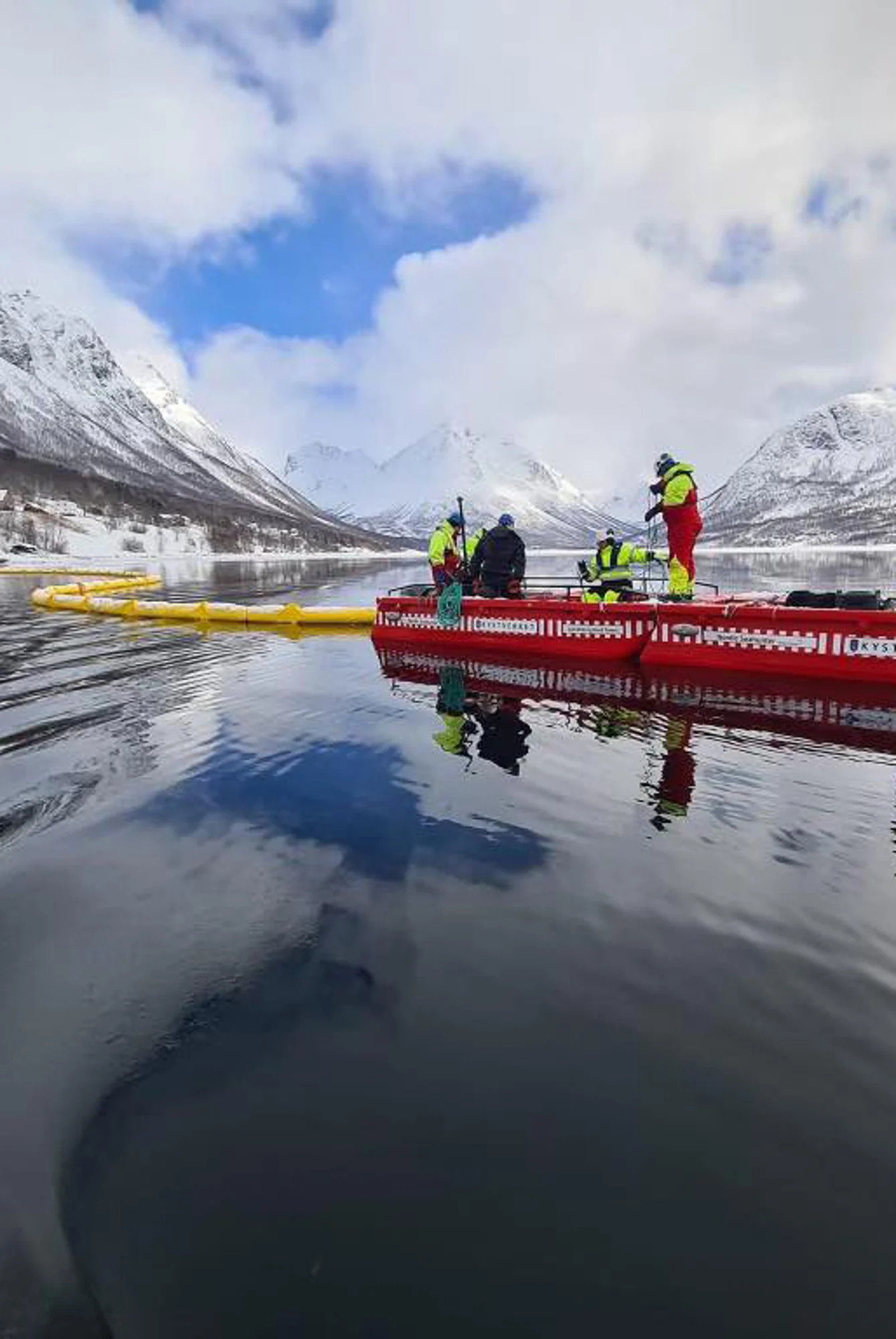
There has been a high level of activity both in terms of daily tasks and in connection with strategic planning. In mid-February, NOFO was mobilized to participate in an oil spill response operation involving a beach cleanup. The entire organization was mobilized for this effort, with a total of approximately 200 participants, in addition to several vessels, beach cleanup teams, and drone teams. Search operations using drones proved to be a key success factor and represented the largest drone operation to date in Norway.
Otherwise, exercises were carried out as planned, and in addition to scheduled activities, several inspections were also conducted during temporary mobilization. NOFO continues its service-life-extending maintenance on oil spill response equipment. There is no backlog of periodic maintenance.
There is a focus on cost control and financial follow-up, and reports on both finances and NOFO’s preparedness capacity are reported at board meetings.
There has been good communication with NOFO’s administration and board, and NOFO has performed satisfactorily within the given framework and in line with the board’s expectations.
Forus, March 26, 2026
Asle Jøssang, Chairman of the Board
1. Executive summary
NOFO’s main activities include contingency planning and building preparedness in accordance with reported needs. This involves exercises and training of all necessary emergency response resources, base operations, logistics, procurement and maintenance of oil spill response equipment and further development of business management.
In 2025, a new strategy for NOFO was adopted, to take effect in 2026. This strategy continues to focus on the further development of an effective and robust oil spill response system and national cooperation.
NOFO is responsible for providing oil spill response services in accordance with its members’ needs at all times. In 2025, this included 97 producing fields and 35 exploration wells on the Norwegian Continental Shelf.
The emergency preparedness status and accrued costs are reported monthly to the board. This includes, among other things, the availability of necessary emergency supplies, trained personnel, emergency preparedness expertise, HSE statistics, sick leave, and financial data.
NOFO’s operational command was mobilized six times during the year. One of the incidents was of a more prolonged nature, requiring the deployment of large parts of NOFO’s coastal emergency response force. This incident is the most extensive NOFO has faced to date, involving several hundred people and the participation of multiple vessels and remote sensing resources.
In 2025, emergency response resources included, among other things, an OR fleet of 26 vessels with associated oil spill response equipment, 34 ocean-going oil spill response vessels, and more than 59 oil spill response vessels on coastal standby. In addition, NOFO maintains extensive cooperation with state and municipal resources.
NOFO employs 46.8 full-time equivalents, comprising 42 full-time employees and 108 employees in part-time positions related to emergency response duties.
2. Governing body
2.1 Annual general meeting
Two annual meetings were held in 2025.
As of December 31, 2025, NOFO has 14 members, all of whom are full members.
The following operating companies are members per 31.12.2025:
AS Norske Shell, Aker BP ASA, ConocoPhillips Skandinavia AS, Harbour Energy AS, DNO Norge AS, Equinor Energy AS, OKEA ASA, OMV (Norway) AS, ORLEN Upstream Norway AS, Repsol Norge AS, Sval Energi AS, TOTAL E&P NORGE AS, Vår Energi ASA, Wellesley Petroleum AS
2.2 NOFO's board of directors
Four ordinary board meetings were held and other board meetings were held as required.
NOFO has directors’ and officers’ liability insurance. As of December 31, 2025, the board was composed as follows:
| Company name | Company representative | Directorships |
| Equinor Energy AS | Asle Jøssang | Chairman of the Board |
| Vår Energi ASA | Maren Klakegg | Vice Chair |
| Aker BP ASA | John G. Vedøy | Board member |
| Repsol Norway AS | Sara Z. Johannessen | Board member |
| Harbour Energy AS | Ole Martin Dahle | Board Member |
| NOFO | Jan Petter Wølstad | Employee representative |
2.3 Professional Forum
The Technical Forum is a meeting place for discussions and the exchange of experiences related to oil spill response, and is run by the operating companies. The forum’s main objective is to help set the direction for oil spill response for the industry and NOFO.
NOFO’s General Assembly, Board of Directors, and CEO have the option of asking the Expert Forum to review specific cases and provide recommendations. In 2025, the Expert Forum held four regular meetings and one special meeting, in addition to the work carried out in several different working groups established by the Expert Forum.
2.4 Maritime Forum
The Maritime Forum consists of all NOFO members who contribute OR (Oil Recovery) vessels to the NOFO pool. The working area of the forum is limited to maritime oil spill response.
Two meetings are held annually, or more if necessary. Working groups may be established under the Maritime Forum to address a specific topic within the field.
3. Organization

As of December 31, 2025, NOFO had 150 employees. Of these, 39 are based at the Sandnes office and 3 in Hammerfest. The remaining 108 employees are assigned to NOFO’s emergency response teams (On-Call Team, Special Team, and the Strand Akutt Response Team—IGSA).
The Security Team, IGSA, and the Special Team are employed in part-time positions and together account for 4.8 full-time equivalents.
As of December 31, 2025, NOFO—including the on-call team, IGSA, and the Special Team—employs 46.8 full-time equivalents, of which 42 full-time equivalents have NOFO as their primary employer. As of December 31, 25, there are no temporary employees.
In the fall of 2025, the CEO decided to step down from his position. The board has appointed an interim CEO to serve in a temporary capacity until November 30, 2026.
NOFO is a member of NHO and is affiliated with Collective Bargaining Agreement 130 with the Styrke Union. In addition, a separate staff association was established in 2024 for other NOFO employees. The staff association is not affiliated with any union or collective bargaining agreement.
3.1 Turnover
As of December 31, 2025, NOFO had a turnover rate of 2.32%. The turnover rate is lower than in 2024, when it was 4.54%. This figure does not include the emergency response teams or the on-call team.
3.2 Sick leave
In 2025, NOFO had a total sick leave rate of 4.6%, broken down into 2.1% for short-term sick leave and 2.5% for long-term sick leave.
4. Economy
NOFO’s revenue from members in 2025 was MNOK 623.4, consisting of MNOK 471.8 in membership fees and MNOK 151.7 in other revenue.
A deficit of MNOK 2.2 has been covered by a transfer from equity.
In 2025, investments totaling MNOK 74.9 were made in oil spill response equipment. These investments were made to upgrade equipment and replace equipment that had reached the end of its service life. In addition, commitments have been made for investments totaling MNOK 35.5, which will be delivered in 2026. These investments will be partially financed by a loan of MNOK 39.1. The remaining investments are financed with equity.
As a basis for decisions on investments and upgrades, NOFO draws up a long-term plan to provide predictability for investments (Strategic Investment Plan, SIP), which is revised annually in connection with the preparation of the budget.
As of December 31, 2025, NOFO’s loan obligations amounted to MNOK 261. These are loans to finance oil spill response equipment and depots. The repayment schedule follows the estimated technical/economic useful life of the assets. The association has strong liquidity, and total current assets as of December 31, 2025, amounted to MNOK 91.4.
The organization is funded through membership dues, and its financial risk is considered low. The association’s exposure to market risk, credit risk, and liquidity risk is also considered low, even though the association makes some purchases in USD, EUR, and DKK. The financial statements have been prepared on a going-concern basis and present a true and fair view of the association’s operations and results.
Total capital stood at MNOK 532.6 at the end of 2025 and at MNOK 550.1 at the end of 2024. The equity ratio as of December 31 was 35.4% in 2025 and 34.7% in 2024, respectively.
5. NOFO’s strategy
In the fall of 2024, the board established a working group composed of NOFO members and NOFO staff to define a new strategy for NOFO for the next strategic period, covering the years 2026–2030. Key themes from the existing strategy—such as robust and effective oil spill response and collaboration—are being continued and have been further developed, while also focusing on appropriate sizing, efficiency improvements, and modernization.
The NOFO Strategy 2026–2030 was adopted by the board and the general meeting; the main objectives of the strategy are:
Robust and efficient oil spill response
NOFO’s oil spill response capabilities are appropriately scaled, effective, and of high quality. They are based on our technical expertise and national cooperation.
Strengthened collaboration
NOFO will strengthen its contribution to the Norwegian cooperation model and collaborate more effectively with its members and suppliers.
Continuous development
NOFO’s organization should be collaborative, professionally strong, and solution-oriented. Its operations should be continuously improved to meet the needs of its members.
6. Key Activities for 2025
6.1 Oil spill response
NOFO’s operational command was mobilized on six occasions in 2025. All six mobilizations involved providing assistance to an operator. One of the incidents was prolonged and drew on a large portion of NOFO’s coastal emergency response force. This incident is the most extensive NOFO has faced to date, involving several hundred people across the entire emergency response organization, including multiple vessels and remote sensing resources.
The entire NOFO system, including the operator interface, was involved, and experience was gained; but just as importantly, learning and development took place along the way. One particular development worth mentioning in this context is NOFO’s experience with using drones and machine learning (AI) to analyze data collected during site inspections, which significantly increased efficiency in the field. The drone operation itself ranks as the most extensive of its kind carried out in Norway to date.
NOFO draws on the full range of experience gained and will build on this experience as it continues to develop oil spill response on the Norwegian continental shelf.
6.2 Emergency Planning and Advisory Services
NOFO’s oil spill response capabilities are designed to meet the requirements of producing fields on the Norwegian Continental Shelf based on the companies’ oil spill response plans. NOFO provides advice to individual operators regarding the establishment of oil spill response capabilities at individual fields, taking into account the number of systems, system types, response times, and capacities, among other factors. This forms the basis for determining the scale of NOFO’s overall oil spill response capabilities, the geographic and tactical distribution of oil spill response resources to NOFO’s bases along the coast, vessel requirements, and the number of oil spill response teams needed to deliver an operational and effective oil spill response.
As of the end of 2025, there were 97 producing fields on the Norwegian Continental Shelf where NOFO provides oil spill response services and related consulting in connection with contingency planning for existing and new field developments. NOFO also contributes advice and planning for oil spill response for exploration wells on the Norwegian Continental Shelf. Exploration wells must be taken into account in the overall oil spill response plan, but in established areas of the shelf, an exploration well is often covered by the basic response plan for that area. In some cases, however, special emergency response measures must be established to comply with the emergency response plans specified in the permits. A total of 35 exploration activities were carried out, and NOFO was involved in the majority of them.
OSCAR 15.2 was adopted as the standard model for the Norwegian continental shelf by the operators in February 2025. As of December 2025, environmental risk and emergency response analyses for acute pollution have been conducted using OSCAR 15.2 for more than 35 exploration and production wells, as well as for 14 producing fields. Planning and Development has assisted the operators in evaluating the increased emergency response needs and oil spill response resources associated with these activities.
In 2025, NOFO launched a new and improved version of Planverket. The new solution replaces the current public website and is made available to users through secure login. The goal is to provide a safer and more comprehensive user experience while strengthening data security and protecting sensitive information.
As part of NOFO’s long-term strategy to simplify and modernize document management, an important step has been taken in the management of LPB documents (exploration and production wells). All oil spill response plans, environmental risk and emergency preparedness analyses, as well as related documentation, have now been migrated from eDOCS to SharePoint. This provides a more efficient and secure infrastructure for managing critical documents.
6.3 Ocean-going fleet
NOFO’s emergency response fleet consists of several types/categories of vessels. OR (Oil Recovery) vessels is a term used to describe the vessels NOFO has access to through the Vessel Agreement. Throughout the year, the emergency response fleet underwent training and drills in accordance with the established plan.
In 2025, NOFO had access to a fleet of 26 OR vessels that had been drilled and trained for round-the-clock operations as needed, comprising 13 vessels on standby and 13 vessels in the mobilizable fleet. These vessels are primarily intended for roles in barriers 1 and 2.
NOFO’s standby fleet maintains regional preparedness in the field, with oil spill response equipment permanently on board in accordance with NOFO standards.
The mobilizable fleet consists of vessels that are to transport oil spill response equipment from NOFO bases for training or emergency preparedness. All vessels are equipped to use conventional oil booms, while four of the vessels are also trained to use high-speed systems (MOS Sweeper). A total of 28 exercises using conventional booms and 8 exercises using high-speed systems were conducted for the mobilizable fleet.
In addition to the OR vessels, NOFO has 34 oil spill response vessels in its offshore fleet, Of these, 25 oil spill response vessels come from the fishing fleet, 9 stations from the Norwegian Society for Sea Rescue, and 3 terminal vessels from Melkøya.
6.4 Coastal Emergency Preparedness
In 2025, the coastal response force consisted of 59 oil spill response vessels organized into the Southern Coastal Response Group (IGK Sør), which covers the coastline from Måløy to Lofoten, and the Northern Coastal Response Group (IGK Nord), which covers the coast north of Lofoten. In addition, NOFO has agreements with several support vessels and vessels with landing capabilities.
In 2025, IGK South consisted of 30 oil spill response vessels, recruited primarily from the fishing and aquaculture industries. Six IGK vessels in the south have a combined ORO capacity of 423 m³ for emulsion. In addition, NOFO has access to 10 terminal vessels from Equinor and Shell, which are based at the operators’ onshore facilities in the area. These vessels are OR-class and have intermediate storage capacity for oil emulsion.
IGK Nord consisted of 27 fishing vessels and 2 support vessels in 2025.
6.5 Coast and Beach
The Strand Akutt Response Team (IGSA) consists of 41 members tasked with combating acute oil spills in the coastal zone. The team is deployed to implement measures to contain, direct, and prevent the remobilization of oil emulsions in order to limit the damage and consequences of acute pollution.
NOFO’s special response team consisted of 55 people at the end of 2025, including advisors, incident commanders, and field leaders. The team is tasked with assisting in beach cleanup operations and includes participants from all IUAs (Intermunicipal Committees for Acute Pollution) with which NOFO has agreements.
6.6 NOFO Bases and Depots
NOFO has oil spill response bases in Tananger, Sløvåg, Kristiansund, Sandnessjøen, and Hammerfest for the storage and maintenance of oil spill response equipment, in addition to two depots—one in Hasvik and one in Havøysund. The equipment stored at these locations is ready for use within specified timeframes.
The equipment operators at the bases have completed training and are on call 24/7 to operate the oil spill response equipment on mobilizable OR vessels. Under the terms of their contracts, base owners are responsible for training equipment operators and maintaining the oil spill response equipment, which are key activities at the bases.
Several measures have been implemented to standardize the operations (standardize work procedures) of the bases and the training, as this will increase efficiency by ensuring that oil spill response operators are familiar with the tasks and organizational structure of their own base. This will be of great importance during an oil spill response operation.
Improved lifting equipment has been installed at bases and depots, resulting in a significant improvement in working conditions and safety. This makes it possible for multiple work crews to operate simultaneously during a potential oil spill response, carrying out repairs, testing, and preparation.
6.7 Oil Spill Response Equipment
The Equipment Portal is NOFO’s management system for the maintenance of oil spill response equipment.
Information in the management system (equipment history) is used on an ongoing basis to improve maintenance and to assess the service life and remaining service life of oil spill response equipment in the event of its decommissioning.
The oldest oil spill response equipment at NOFO was acquired between 2004 and 2015. Despite good maintenance, age and wear and tear have nevertheless led to the decommissioning of some oil spill response equipment in 2025. A typical example is oil booms, where the boom fabric undergoes natural degradation due to age and must therefore be replaced. Decommissioning is carried out by an approved supplier, and the requirements for execution and storage are managed in a controlled manner that includes waste sorting and climate accounting.
Several purchases were made in 2025 to improve and upgrade oil spill response equipment, based on past experience and lessons learned. This includes, among other things, washing and tool containers and bilge pumps.
Through the equipment portal, more than 2,200 units are monitored, and over 4,600 work packages related to maintenance activities were completed in 2025. There was no backlog of preventive maintenance during 2025.
Focusing on upgrades and extending the service life of existing equipment is an ongoing effort to ensure a good balance between maintenance, upgrades, and new acquisitions.
As part of this work, a method for the preservation and long-term storage of equipment components has been developed.
NOFO continues to experience long delivery times and high prices for oil spill response equipment.
2025 Receipt of new oil spill response equipment
A total of 34 oil spill response kits were procured in 2025.
A new type of offshore drum (hybrid) has been procured that can be used with the various types of booms. In addition, 6 offshore booms, 2 sets of tool containers, 4 nearshore systems, six firefighting equipment kits for nearshore emergency response to handle emulsion on tanks, and other minor HSE-related equipment such as gas detectors, survival suits, etc.
2025 Disposal of Decommissioned Oil Spill Response Equipment
Among the larger components are 2 tool containers, 4 coastal systems, and 4 offshore booms.
6.8 Remote Sensing
NOFO has access to various platforms and sensors for detecting and mapping oil at sea. The various sensors and platforms have different characteristics and different applications. Having access to multiple types of tools allows us to combine them to achieve the best possible mapping of an oil spill. NOFO’s sensor platforms consist of satellite monitoring, aerial surveillance, and drones, in addition to its members’ own sensors on installations and vessels.
On behalf of its members, NOFO operates a satellite service that covers producing fields on the Norwegian continental shelf once a day, and some fields are covered twice a day. NOFO receives alerts and images of potential detections, which are followed up with the operator by NOFO’s on-call team.
NOFO and the Norwegian Coastal Administration are collaborating on aerial surveillance of the Norwegian continental shelf using the LN-KYV surveillance aircraft provided by SundtAir. Under a new contract, the aircraft was upgraded in 2025 with new equipment and sensors.
For local surveillance, NOFO uses drones and has an agreement granting access to 20 drones and drone pilots. It has also implemented the use of artificial intelligence. The drone pilots regularly participated in exercises with vessels in 2025.
6.9 Courses and Training
NOFO offers a wide range of training courses in oil spill response and emergency management.
The training program in 2025 consisted of 18 courses for approximately 200 participants. Throughout the course year, NOFO has been working to improve and streamline a basic course for ship crews that originally spanned two course days. Following a restructuring, we can now offer a course that takes place over just one course day.
In addition, the Fire and Rescue School has conducted 12 courses for 180 participants—personnel who currently hold, or are expected to hold, roles in emergency response to acute pollution incidents.
As part of an effort to professionalize, streamline, and strengthen NOFO’s training department, a project has been underway since 2025 to evaluate a course management system.
7. Research and development
NOFO is actively involved in development. Ongoing development projects have been monitored, and several major projects have been completed:
OPV
An oil-on-water (OPV) test was conducted in the Frigg field from June 5 to 9, 2025, during which two tests were carried out using Marine Gas Oil (MGO) and Oseberg Blend crude oil, respectively. Each experiment lasted 24 hours and included a comprehensive measurement program in the water column, on the surface, and from the air. OPV 2025 has provided increased knowledge about the behavior, dispersion, oil film thickness, oil droplet formation, and degradation of oil.
This is the first time that the size distribution of oil droplets from breaking waves in an oil slick has been measured in the field. This thus constitutes a unique and important dataset for model validation. Together with simultaneous remote sensing data, as well as meteorological and oceanographic measurements, this knowledge can make a significant contribution to validating and improving models such as OpenDrift, OSCAR, OWM, and others, which are key factors in determining the scale of oil spill response preparedness.
Scientific publications are currently being prepared. Several of our partners, such as Sintef and MET, are also working on incorporating the results into their modeling.
Verification of Integrated Pump Systems (IPS)
In 2024, NOFO acquired a new type of offshore single-vessel high-speed system for recovering oil and oil emulsions. In 2025, comprehensive tests were conducted at the National Test Center for Oil Spill Response Equipment in Horten to verify the integrated pump solution and document pump capacities for various types of oil, both for this offshore system and for nearshore systems.
VR technology
Work on developing and implementing VR technology for the education and training of oil spill response personnel has continued. Solutions are also being explored to enable the use of this technology on board offshore vessels, with the goal of allowing ship crews to utilize these solutions.
Machine Learning
A project related to the use of machine learning for remote sensing data collected by drones is currently underway. The goal is to use machine learning to detect the presence of oil and environmental resources such as seabirds and marine mammals, etc. Data for machine learning was also collected during the OPV.
Machine learning technology was also used to map oil clumps in the intertidal zone, even though the operational tool had not yet been completed.
The HF Radar Network
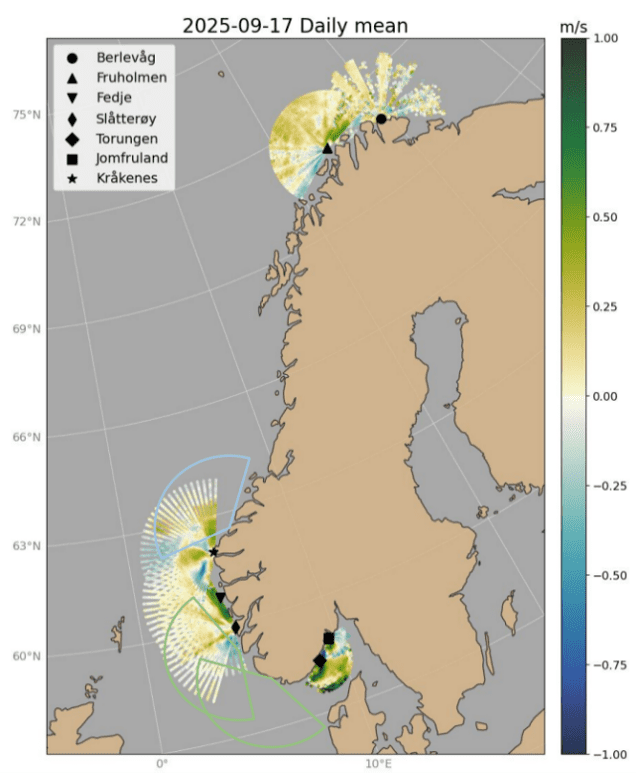
The coverage area for measuring surface currents in the North Sea has been expanded over the course of the year. The HF radar network was expanded this fall with the addition of another installation. The new installation is located at Kråkenes. Data from the HF radar chain has been assimilated into the Norkyst ocean circulation model throughout the year, and this data is thus available to all users of meteorological data and models. The Norwegian Meteorological Institute estimates that data from the HF radar network accounts for nearly 20% of the data set in the current Norkyst model. Further expansions are planned both north and south of the existing coverage area in the North Sea.
Coverage map as of September 2025:
8. Emergency preparedness
NOFO shall provide a robust and effective oil spill response system tailored to its members’ emergency response needs. The response system shall primarily be tailored to the oil-producing fields on the Norwegian Continental Shelf, but shall also provide emergency response capabilities for exploration drilling activities.
The necessary oil spill response systems must be available at all times, and they must be capable of being operated by certified vessels and crews with the necessary expertise and training. The response capacity must be sufficient to handle a large-scale and prolonged oil spill response operation.
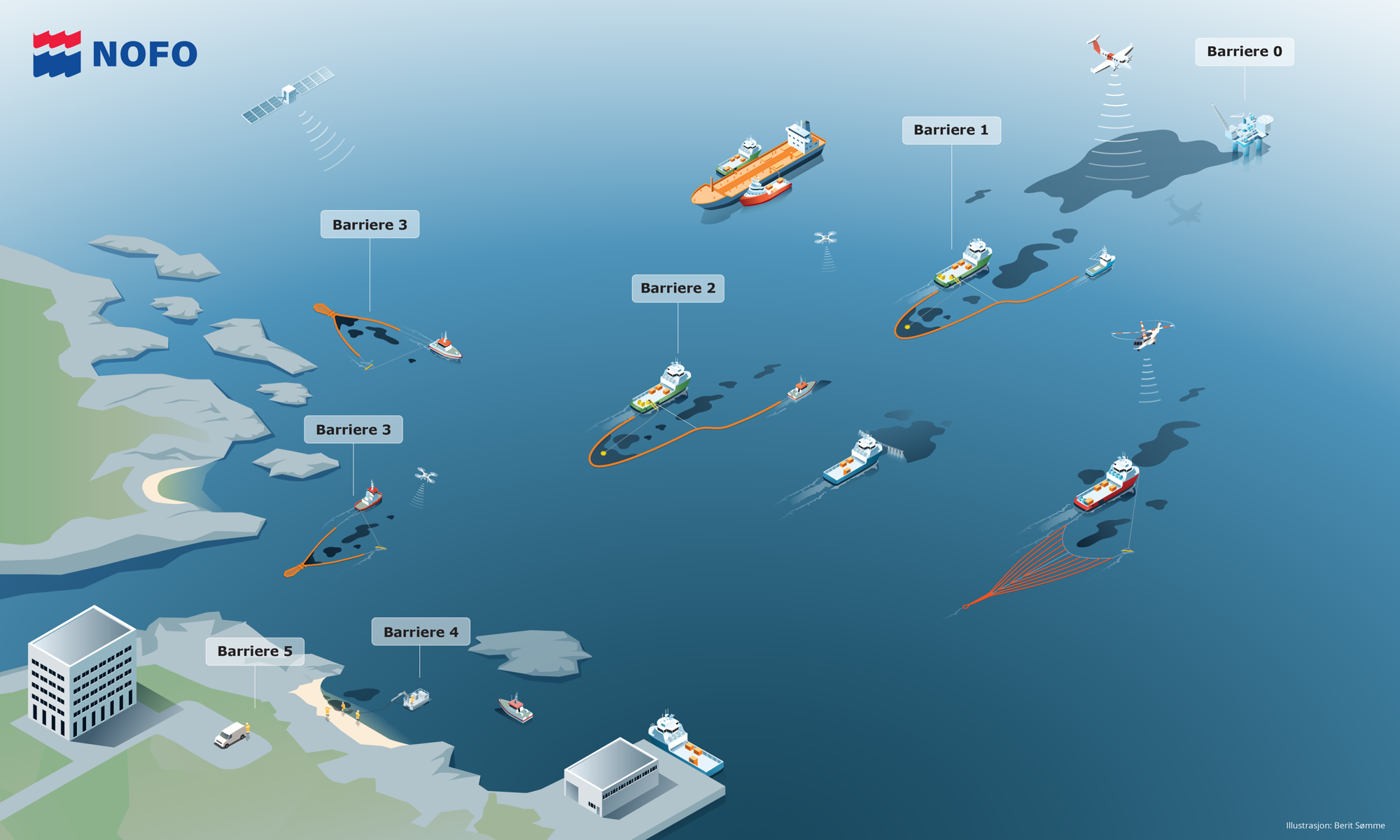
NOFO’s emergency response strategy is based on the principle that oil spills into the sea should be contained as early as possible and as close to the source as possible. The response strategy is structured as a series of barriers extending from the spill site toward the coast and shoreline, where Barriers 1 and 2 are offshore systems, Barriers 3 and 4 are systems used for nearshore response, and Barrier 5 is located in the shoreline zone on land.
- Barrier 1 is close to the source
- Barrier 2 is located between the source and the coast
- Barrier 3 is coastal areas
- Barrier 4 is remobilizable stranded oil
- Barrier 5 is stranded oil
NOFO also provides operational management to support operators’ incident command for oil spill response operations. NOFO’s on-call organization maintains a one-hour response time year-round.
9. Corporate governance
9.1 HSE and quality
NOFO carried out its operations in 2025 without any serious injuries. In 2025, after many years of being ISO 9001:2015 certified, the company decided to withdraw from the certification program due to other strategic needs.
NOFO continued its efforts to strengthen accident-prevention safety work across a broad range of stakeholders. These efforts focused not only on our traditional operational areas but also on an emerging risk: health risks and the management of risk-reduction measures to ensure that we can carry out safe and secure operations in a real-world response to acute pollution incidents.
9.2 Risk management
Risk management is central to NOFO, both in relation to operational tasks and strategic decisions and plans. NOFO holds regular working meetings at various organizational levels, where efforts are made to systematically reduce current risks. When comparing the requirements set by various stakeholders with relevant operational areas and tasks in a response to acute pollution, it becomes clear that efforts to increase understanding of health risks, during an operation involving the mechanical recovery of oil emulsions will be significantly strengthened by 2026.
9.3 ICT security
NOFO continues to place a strong emphasis on ensuring ICT security and data integrity. NOFO is actively working to identify technical and operational improvements and measures that can further enhance security related to ICT and within ICT security management.
9.4 Communication and collaboration
NOFO’s overall communication goal was to increase knowledge and awareness of Norway’s oil spill response preparedness; in 2025, NOFO launched a new website. The website ensures that information about NOFO’s role, capabilities, and services is better organized and more accessible.
Throughout the year, NOFO participated in key national and international forums for the exchange of experiences and professional development. This included liaison meetings with the Norwegian Coastal Administration, participation in the IPIECA Oil Spill Group and working groups on mechanical recovery, exercises, and alternative fuels, as well as presentations at Interspill in London and ITAC in Brest. NOFO also served on the program committee for IOSC 2027. In 2025, collaboration with OSRL and GRN saw a lower level of activity than in some previous years.
10. Sustainability
In 2025, NOFO has maintained a clear focus on sustainability through the prevention of acute pollution, effective emergency preparedness, and the continuous improvement of environmentally friendly solutions. These efforts have been aimed at reducing environmental impact, strengthening cooperation with authorities and members, and ensuring robust and forward-looking emergency preparedness.
10.1 Transparency Act – explanation
NOFO is subject to the Transparency Act, and our commitments to promoting fundamental human rights and decent working conditions are set forth in our guidelines for responsible business conduct, which have been adopted by the board of directors.
Main products/services NOFO delivers
NOFO’s main task is to meet its members’ needs for effective and robust oil spill preparedness.
General description of NOFO’s purchasing routines and due diligence
NOFO has established routines and procedures for the qualification, classification, and monitoring of suppliers. If violations or risks of violations of fundamental human rights and decent working conditions are identified, procedures are in place to implement appropriate measures to stop, prevent, or mitigate negative consequences based on the company’s involvement, priorities, and assessments. Through dialogue with the supplier, NOFO will seek to improve the identified conditions.
NOFO has a digital tool that maps the supply chain and collects information on basic human rights, decent working conditions, HSE, business ethics, the environment and supplier management.
The due diligence framework is based on the OECD Guidelines for Multinational Enterprises and the OECD Due Diligence Model for Responsible Business Conduct. This means that the investigations are based on a risk-based approach, where NOFO works systematically and efficiently to uncover which parts of its business activities are associated with the highest risk of negative impact. NOFO has initiated further investigations where the risk was assessed as unclear.
Key Suppliers and Business Partners
NOFO has a diverse supplier base ranging from state and municipal agencies to private companies. Approximately 99% of NOFO’s suppliers and business partners are based in Norway. NOFO has no suppliers based outside Europe.
Key Products and Raw Materials Purchased by NOFO
NOFO does not manufacture products for resale, and consequently no raw materials are included as input factors. NOFO purchases finished products. Most of this equipment includes steel and metals.
Actual negative consequences identified by NOFO
NOFO has not identified any actual violations of human rights or decent working conditions in its own operations, nor among its business partners or in its supply chain.
Significant risk of negative consequences
NOFO has not identified any suppliers in the first tier or business partners where there is a significant risk of negative impacts related to fundamental human rights and decent working conditions. Nor has such a risk been identified in its own operations.
NOFO’s measures to limit the significant risk of negative consequences
NOFO requires that all suppliers and business partners conduct their business in line with internationally recognized human rights and labor rights. Furthermore, suppliers are required to conduct due diligence and implement appropriate measures for negative impacts.
NOFO’s strategy is to work on a long-term basis and have a good and open dialog with all partners.
Right to information under the Transparency Act
NOFO has published information on its website to ensure that anyone who wants information can contact the organization in writing and request information about how NOFO handles actual and potential negative consequences for fundamental human rights and decent working conditions.
Upon receipt of inquiries, NOFO has established routines to ensure that NOFO responds to the inquiry within three weeks.
In addition, NOFO has established an internal and an external whistleblowing channel for the identification of violations of the Transparency Act, and ensured that the reporting system used for non-conformities and HSE incidents also addresses any reported violations or concerns.
10.2 Report on work with equality, diversity and inclusion
Reporting in accordance with the Activity and Disclosure Obligation (ARP)
Gender Equality and Diversity, Part 1: The State of Gender Equality
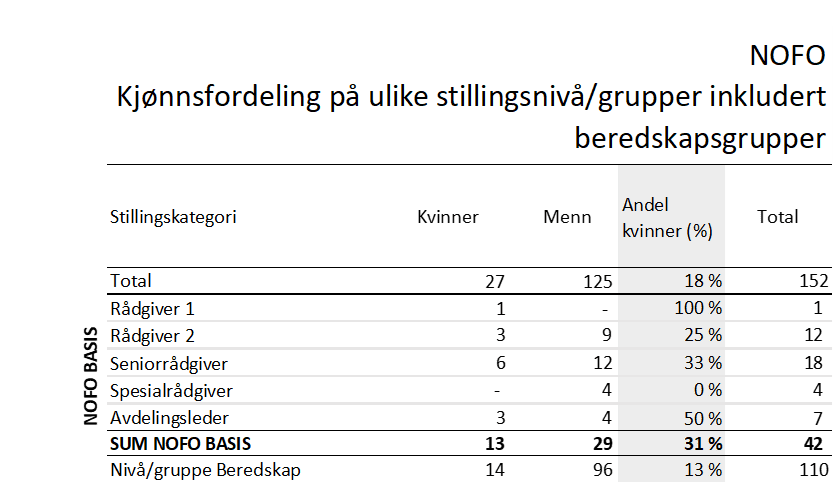
Table 1: Gender Balance at NOFO as of December 31, 2025. Figures include the CEO.
Gender Balance in the Workplace
The table shows the gender balance among NOFO employees, broken down into six categories based on the level of responsibility and complexity of the position. The “Position Category” column shows employees in the NOFO core organization. These employees have NOFO as their primary employer. Women make up 31% of NOFO’s core staff. This is lower than in 2024.
NOFO Emergency Response staff are part-time employees assigned to NOFO for emergency response purposes. These employees typically have a primary employer other than NOFO. Women make up 13% of the emergency response team.
Including all full-time and part-time employees, women make up 18% of NOFO’s workforce.
Management
The proportion of women with personnel responsibility corresponds to the proportion of women in NOFO’s executive team. NOFO’s executive team, including the CEO, consists of 7 people, 3 of whom are women. The proportion of women is 42%. This figure remained unchanged from 2024 to 2025.
Board of Directors
NOFO’s board consists of 6 board members. Two of the six board members are women. The proportion of women is 33%. This figure remained unchanged from 2024 to 2025.
Age Distribution in NOFO Basis
The average age in NOFO Basis as of December 31, 2025, is 53.8 years. The age distribution is shown in the tables below.

Table 3 Age Distribution in NOFO Basis as of 31.12.2025. The figures include the CEO.

Table 4: Age Distribution of the NOFO Executive Team as of December 31, 2025. Figures include the CEO.
The CEO stepped down from his position in November 2025. A new interim CEO took office on December 1.
Salaries by Gender and Job Categories
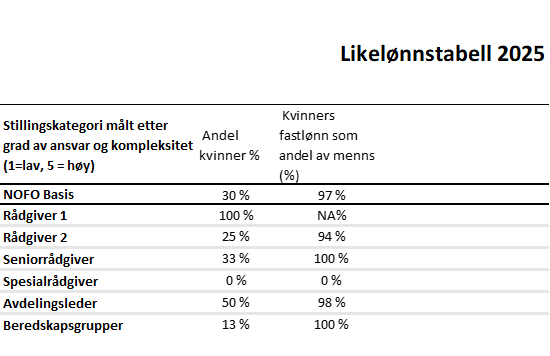
Table 5: Equal Pay Survey 2025
Women’s fixed salaries account for 97% of men’s at NOFO.
A department head is a manager with personnel responsibility, and women in this role earn 98% of what men earn. This represents a marginal decrease of one percentage point from 2023.
NOFO uses an external job evaluation system (MERCER) to help categorize job categories and analyze salary data. In connection with salary negotiations, the figures are broken down by individual job category and gender. The analyses are not adjusted for structural factors related to different fields of study, age, seniority, level of education, etc.
Part-time work by gender
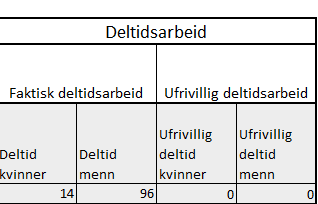
Table 6: Survey of Part-Time Employment as of December 31, 2025
NOFO has 150 employees, representing 47.8 full-time equivalents. The 42 employees in NOFO Basis account for a total of 42 full-time equivalents. The remaining full-time equivalents are employees in emergency response teams, who together account for 4.8 full-time equivalents. NOFO distinguishes between NOFO Core and NOFO emergency response teams. NOFO Core consists of employees for whom NOFO is the primary employer. Only full-time employees are part of NOFO Core.
NOFO’s emergency response teams, and are employed in part-time positions equivalent to 4.5%. These individuals have a different primary employer but have made themselves available for NOFO’s emergency response and on-call teams. They participate in exercises organized by NOFO and may also be called in during actual incidents.
Survey on Involuntary Part-Time Work
Part-time employees are assigned to NOFO emergency response teams and are employed in part-time positions equivalent to 4.5%. These employees have a different primary employer but have made themselves available for NOFO’s emergency response and on-call teams. They participate in exercises organized by NOFO and may also be called in during actual incidents. NOFO has not recorded any cases of involuntary part-time work among these employees in 2025.
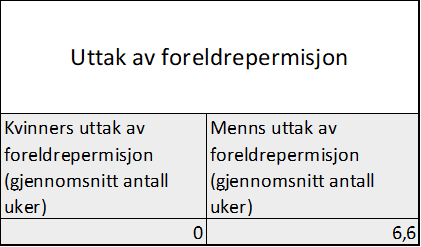
Parental Leave
NOFO Basis 1 employee (full-time or part-time) who has taken parental leave in 2025.
Turnover and Recruitment
The turnover rate in 2025 was 2.32%. No new employees were hired for permanent positions in 2025.
NOFO works to achieve gender balance among applicants for all job categories, and the association is committed to avoiding discrimination of any kind in the recruitment process. Gender disparities are more pronounced in job postings for technical positions, as the majority of candidates are men. In its recruitment efforts, NOFO also emphasizes achieving a more balanced demographic in its recruitment processes.
Part 2: Efforts to Promote Equality and Combat Discrimination
Principles, Procedures, and Standards for Gender Equality and Anti-Discrimination
NOFO is committed to promoting equality and diversity and respecting human rights, and to actively working to advance diversity and equality both within its own operations and in its dealings with suppliers.
Gender balance is important to the association, both in leadership and in other roles.
In its recruitment practices, NOFO is committed to avoiding discrimination of any kind, such as on the basis of gender, pregnancy, maternity leave, adoption, caregiving responsibilities, ethnicity, religion, belief, disability, sexual orientation, gender identity, gender expression, age, political views, and union membership.
NOFO’s ethical guidelines establish a zero-tolerance policy toward discrimination, bullying, and harassment, including unwanted sexual attention and the purchase of sexual services. Employees must show respect for all colleagues and never cross the boundaries of acceptable behavior. NOFO has established procedures for reporting
problematic circumstances, including the option to report them through an external reporting channel.
At NOFO, employees should experience professional and personal growth throughout the various stages of their careers, and be able to maintain a healthy work-life balance. Each employee’s opportunities for professional and personal development should be independent of gender, age, education, background, and origin.
How does NOFO work to ensure gender equality and non-discrimination in practice?
Efforts are underway to integrate gender equality, diversity, and anti-discrimination initiatives into daily operations, and to ensure that gender equality efforts are embedded in the association’s various strategies, tools, and guidelines.
Surveys and Assessments
- Mapping and Surveys
To identify, analyze, and assess risks of discrimination and barriers to gender equality, diversity, and inclusion, we conduct risk assessments with the involvement of employee representatives. We also map gender distribution and pay gaps at various job levels, as well as gender differences regarding part-time work, parental leave, and sick leave.
- Implement measures
Based on the findings of risk assessments and analyses, appropriate measures are decided upon. These measures are incorporated into an action plan designed to ensure their implementation and follow-up. Overall objectives and major measures are approved by Group management.
- Evaluate results
The results of the measures are evaluated, including through risk assessments
Wages and Working Conditions
All employees should have equal opportunities for salary growth
- Local pay increases are based on an annual review, which also includes an equal pay assessment.
- To ensure objectivity, NOFO uses external job evaluation systems (MERCER) to categorize work of equal value into job categories and analyze salary data.
Activities Carried Out in 2025
The following are activities that are integrated into daily operations or implemented as separate measures based on the current situation.
Wages and Working Conditions
All employees should have equal opportunities for salary growth. NOFO has identified the following focus areas:
- In addition to the annual wage negotiations, annual evaluations and surveys are conducted to identify any pay disparities.
- NOFO uses an external job evaluation system (MERCER) to help categorize work of equal value into job categories and analyze salary data.
Recruitment
In our recruitment processes, we strive to ensure that we select the right candidates, prevent discrimination of any kind, and minimize sources of error
NOFO has not recruited for permanent positions in 2025. In general, NOFO is mindful of ensuring adequate gender balance and diversity among applicants for certain job categories, and reviews text, image use, and job postings to ensure greater diversity among applicants.
Opportunities to balance work and family life
NOFO does everything it can to make it possible to balance work and family life.
NOFO pays close attention to the capacity and resources available to the organization to ensure a healthy workload. NOFO has flexible working hours, and NOFO’s current guidelines for working from home offer flexibility.
Mapping and Research
A February 2026 employee survey on equality and diversity identified certain challenges—both structural and systemic in nature.
The report details the organization’s efforts to promote equality and prevent discrimination. The assessments are based on a completed employee survey and open-ended comments from employees.
Risk Assessment
The study does not reveal any systematic discrimination, but identifies the following risk areas:
- Perceived differences in practices regarding the assessment of development and responsibility.
- Lack of transparency in decision-making processes.
- There is a need for clearer and more systematic measures to prevent harassment.
- Silo tendencies and varying degrees of inclusion in professional processes. (Is this evident in the survey responses?)
Analysis of Causes
The identified challenges are considered to be related to:
- Varied leadership practices and a high degree of individual discretion.
- Lack of standardization in assessment processes.
- Low transparency in processes and decision-making.
- Reactive rather than structured prevention of undesirable behavior.
The company has decided on the following priority measures:
- Standardize leadership practices through common leadership standards and clearer criteria for evaluation and involvement.
- Systematize harassment prevention through annual dialogue, management training, and clear accountability.
- Increase transparency and involvement in decision-making processes and professional representation.
These measures will be part of the ongoing restructuring process to be implemented in 2026.
Evaluation
These measures will be followed up through a new employee survey and a review by the management team.
Overall Assessment
NOFO has established guidelines and a clear set of core values. The survey indicates a need for greater standardization, transparency, and systematic prevention. The measures that have been decided upon are considered to be in line with the duty to act and the duty to report.
Signature
Forus, March 26, 2026
Asle Jøssang
Chairman of the Board
Equinor Energy AS
Maren Klakegg
Vice Chair
Vår Energi ASA
John Gunnar Vedøy
Board member
AkerBP ASA
Lars Anders Heimdal
Deputy for Sara Zurawska Johannessen
Repsol Norge AS
Ole Martin Dahle
Board Member
Harbour Energy AS
Jan Petter Wølstad
Employee representative
NOFO
Per Kristian Nagell
CEO
NOFO